
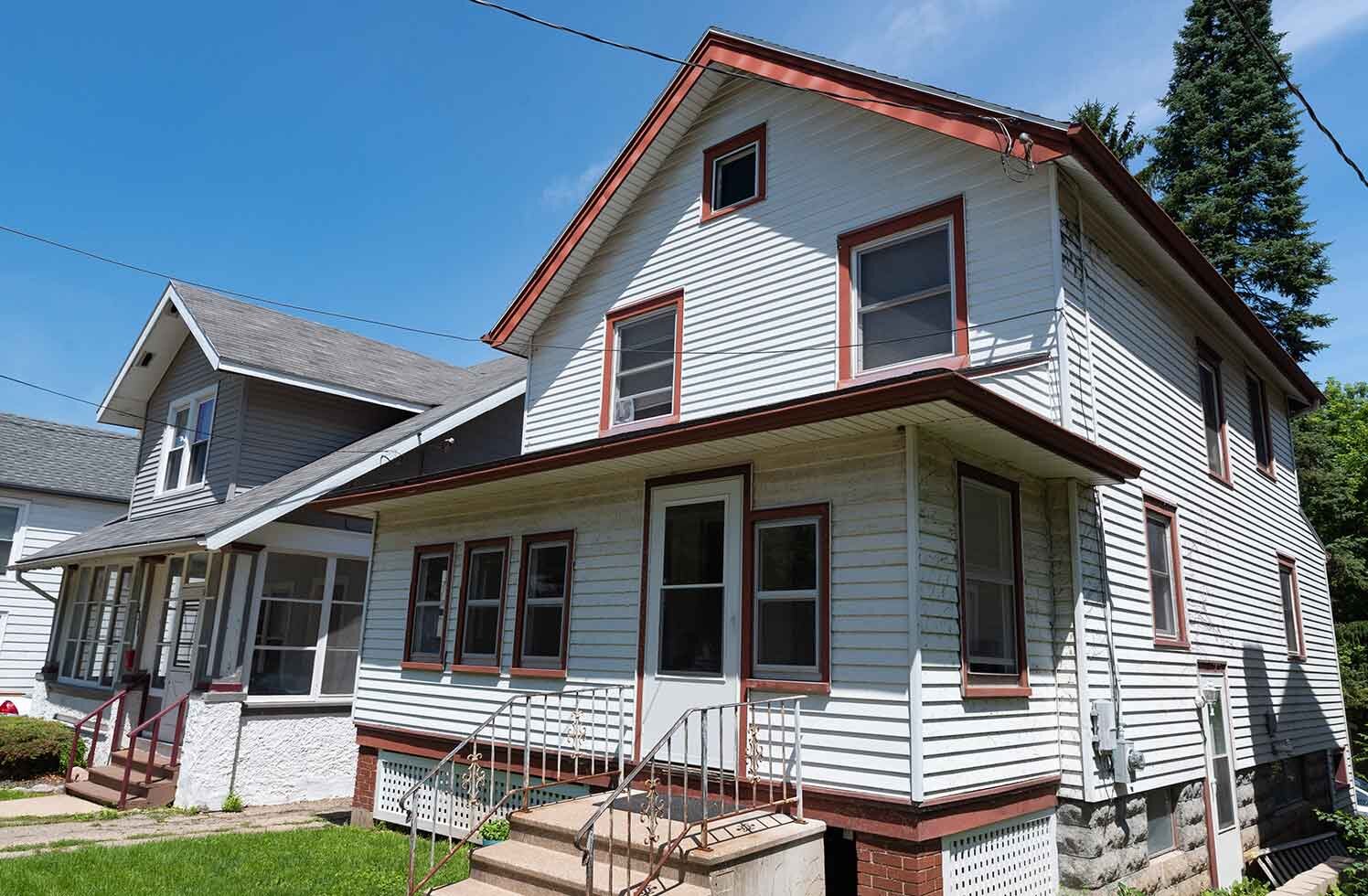
Selling a home during probate can feel confusing, especially if you’re dealing with the court process for the first time. Probate properties can offer good opportunities for buyers, but for a homeowner, the real challenge is understanding how the process works and what steps are required to sell. This article gives you a clear look at what probate is, how it works, and how to navigate a sale in a way that’s smooth, legal, and financially sound.
What is a Probate?
Probate is the legal process that takes place after someone passes away. When a person dies, with or without a will, their assets are placed under the care of an executor or the Court. Probate makes sure everything is handled properly, debts are paid, and the remaining property goes to the correct heirs. There are two types of probate. Informal probate is simpler and used when there’s a valid will and no disagreements. Formal probate is needed when things are more complicated, such as large debts, a disputed will, or when the original will cannot be found. In those cases, the Court becomes more involved and oversees each step to make sure everything is done correctly.
Can a House Be Sold While in Probate?
Yes, a house can be sold while it is in probate. The person handling the estate depends on how things were left when the owner passed. A property can be sold by the executor named in the will, by a court-appointed administrator when there is no will, or by the Court itself if there are no heirs to manage the estate. Once the rightful heirs are identified, they can ask the Court for approval to move forward with selling the home.
What Does it Take to Sell a House in Illinois While in Probate?
Selling a house in Illinois during probate depends on what the estate needs in order to settle everything properly. The executor’s job is to protect the estate for the heirs, but things can get complicated when there are unpaid debts like medical bills, credit cards, or back taxes. If the estate does not have enough cash to cover those costs, the executor, administrator, or even the Court may decide that selling the property is the only way to pay what is owed, even if the heirs wanted to keep the home.
For example, imagine an elderly woman who passes away and leaves her house to two heirs. The home is worth 150,000 but she also leaves behind 90,000 in debt. Since there is no cash in the estate, the executor must sell the house, pay off the debt, and then divide what is left between the heirs. It may not be the outcome the family hoped for, but it keeps everything fair and follows the law.
A sale can also happen when someone passes away without a will and without immediate heirs. In that situation, the Court can order the home to be sold and then distribute the remaining money to the closest relatives. Probate can feel overwhelming, but the process is there to keep things clear, organized, and fair for everyone involved.
Steps for Selling a House in Probate
If you have a property in probate in your state and you are unsure how to sell it, the good news is that the process is usually broken into four basic steps. The first step is having an executor or administrator appointed to handle the estate. If one has already been named in the will or by the Court, that person will take the lead.
Once you or the appointed executor is officially in charge, you can decide whether selling the home makes the most sense. Some estates need to sell because of unpaid debts. Others involve inherited properties in another state that are too far away to manage. No matter the reason, you can move forward with a sale once the estate has proper authority.
Before listing the home, the property must be appraised so the Court has a clear understanding of its value. After the appraisal is done, you can petition the Court for approval to sell. Once the Court signs off, the home can be sold by owner, listed with a realtor who understands probate sales, or sold directly to an investor for a faster and simpler process.
Decide How to Sell the Property:

Valuation or Appraisal
Before you can sell a probate property, you need to know what it is actually worth. That starts with a valuation or a full appraisal from a qualified professional. It is important to work with someone who understands how probate works in your area, because many states require the home to be sold for at least 90 percent of the appraised value. If the appraisal comes in too high, it can make the sale harder. Choosing an appraiser who has experience with probate homes helps you get an accurate number and keeps the process moving smoothly.

Listing the House
After the appraisal is complete, the next step is to file your intention to sell with the Court. You, the executor, or your attorney will submit a form that includes the appraised value and the method you plan to use to sell the home. You can choose an auction, a traditional listing, a direct sale to an investor, or another option allowed in your area. Once the Court approves the petition, you can officially put the property on the market. No matter which method you choose, it is important to work with someone who understands probate sales so the process stays smooth and compliant.

Offers
Once the offers start coming in, you will need to decide which one best fits your situation. Think about what you want from the sale. Do you need a fast closing to pay off the estate’s debts? Are you hoping to wait for a higher price? Is the house in rough shape and better suited for a buyer who can handle major repairs? These factors will guide how you list the property and which offer you should accept. Knowing your goals ahead of time makes it much easier to choose the right buyer and move on to the next step.

Notice of Proposed Action
When you receive an offer, the buyer must be told that the sale cannot close until the Court gives its approval. Most buyers expect this because of disclosure rules, but someone who has never dealt with probate may hesitate once they learn about the extra wait time. This is one reason many buyers skip probate homes, even when the price is attractive. If a buyer is willing to wait, the Court will review their offer and, once everything checks out, issue an order confirming the sale. Only then can the closing move forward.

Bidding
If the property is going to be auctioned, it can be advertised as available before the Court formally approves the sale. This helps attract more bidders. In most cases, the Court oversees the auction and follows strict rules, which is why auctions are usually a last resort. After a bidder wins, the executor must ask the Court to authorize the sale. However, if any heirs object, the Court can stop the process and put the sale on hold until it decides what should happen next.

Finalization of Sale
With luck, the sale of the house, condo, rental, or land goes smoothly. Even if there were a few delays, once the Court approves the offer, you are ready to finish the process. The executor or attorney will file a final account and a request for the Court to allow the distribution of the remaining assets. After the Court signs off, the title documents can be completed, and the sale becomes official.
Who Buys Houses in Probate?
We do! Heartland Funding Incorporated is a direct house buying company that has built our reputation on buying houses for cash with less stress and less fees. Contact us today and get a competitive cash offer for that house or property that’s stuck in probate. We buy homes in any condition. We can help you with the convoluted process of selling a house in probate, making the process faster and as stress-free as possible.
Mistakes to Avoid When Selling a Probate Property
Moving Too Quickly
After a loved one passes away, it is common for families to feel pressure to sell the property as quickly as possible. Sometimes it is emotional. People want to settle things, create closure, and have space to grieve without the added responsibility of maintaining a home. Other times, the urgency is financial. The estate may have unpaid debts, interest may be increasing every month, or bills like taxes, insurance, and utilities continue to pile up. In these situations, the executor or administrator might feel the need to sell fast and may price the home lower than its true market value just to move it quickly.
A rushed sale also happens when the property is in poor condition or needs major repairs. If the heirs do not have the money or the desire to fix the home, they may choose to sell it as-is at a discount. While this can solve problems quickly, it also means the estate may receive less money than it could have with a more strategic approach.
Moving too quickly can cost the estate valuable equity, so it is important to take a moment to understand the situation fully and weigh all options before setting a price or accepting an offer.
Not Completing a Real Estate Disclosure
Real estate disclosure laws can be confusing, and the rules change from state to state. In most places, sellers must let buyers know about serious issues with the property, such as lead paint, asbestos, mold, foundation problems, or anything that could affect safety or the home’s value. These disclosures are usually written out and focus on what the law calls material defects, meaning problems that would matter to a reasonable buyer.
But if you inherit a home you never lived in, you may not know anything about its history or condition. You might not know whether the basement leaks, whether the roof was ever replaced, or whether the electrical system is outdated. Because of that, some states make exceptions for probate properties and allow executors, administrators, or real estate agents to skip standard disclosure forms since they have no firsthand knowledge to share.
If you are unsure about the rules in your state, it is smart to work with someone who knows probate sales. A real estate agent who handles probate regularly can guide you, or you can work with an experienced investor who understands the risks and is willing to buy the property as is. The key is making sure you have the right support so you stay within the law and avoid unnecessary stress. You do not have to navigate the process alone.
Failing to Hire a Lawyer
Failing to hire a lawyer is one of the biggest and most costly mistakes families make during probate. The process can feel overwhelming, especially if it’s your first time dealing with legal steps, court forms, deadlines, and decisions that affect the entire estate. A real estate lawyer who specializes in probate can take a huge weight off your shoulders by handling the complicated parts and making sure nothing gets missed.
An experienced probate lawyer knows exactly which documents need to be filed, how to petition the Court for permission to sell the property, and how to keep the process moving so you do not lose time or money. They can also help you understand what you legally can and cannot do with the property, prevent unnecessary delays, and protect you from mistakes that may lead to penalties or rejected filings.
A lawyer also becomes a neutral guide during emotional family situations. If heirs disagree on what to do, or if someone challenges a decision, your lawyer can step in with clear legal guidance instead of letting arguments slow everything down.
Even a single consultation can help you spot blind spots, plan your next steps, and avoid problems before they start. Probate comes with enough stress on its own. Having the right lawyer makes the entire process smoother, faster, and far less overwhelming.
Waiting Too Long to Start the Probate Process
Waiting too long to begin the probate process is a common mistake that can create bigger problems down the road. When someone passes away, it is completely normal to take time to grieve, and legal tasks often feel overwhelming in the middle of that loss. But while everything feels paused emotionally, the property itself keeps moving financially. Property taxes continue to grow each month. Utility companies still send their bills. If there is a mortgage, the bank expects payments on time. Insurance companies also require the home to stay properly insured, and some may even increase premiums if the property is vacant.
On top of that, maintenance issues can show up while the home sits empty. A small leak can turn into water damage, or an unmaintained yard can trigger fines from the city or HOA. All of these costs chip away at the estate’s value. If probate does not begin soon enough, the estate may lose money that could have gone to the heirs or been used to pay off debts.
Starting the probate process sooner rather than later helps keep the estate stable. It gives the executor authority to handle bills, secure the property, and move things forward legally so expenses do not spiral out of control.
Who Buys Houses in Probate?
We do! House and Buy is a direct house buying company that has built our reputation on buying houses for cash with less stress and less fees. Contact us today and get a competitive cash offer for that house or property that’s stuck in probate. We buy homes in any condition. We can help you with the convoluted process of selling a house in probate, making the process faster and as stress-free as possible.